

Home > News And Knowledge > Oil-Air Slip Casting Technology for Aluminum Billet: Working Principle & Core Advantages
News And Knowledge
Oil-Air Slip Casting Technology for Aluminum Billet: Working Principle & Core Advantages
-
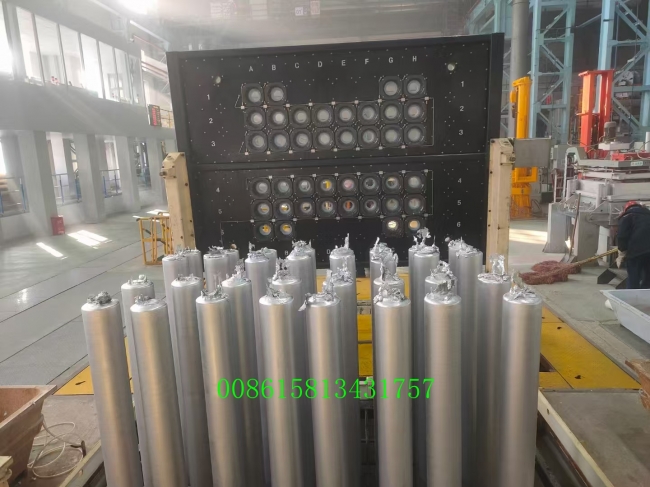 OverviewOil& air slip casting technology for aluminum billet is an advanced and high-efficiency lubrication solution specially designed foraluminum billet casting and aluminum profile extrusion production. It effectively improves overall production efficiency,greatly extends graphite ring and mold service life, and significantly upgrades the surface quality and internal metallurgicalperformance of finished aluminum billets. As a key upgrading technology for modern intelligent aluminum foundries,it perfectly combines friction reduction, uniform cooling, and on-site cleaning to stabilize the whole casting process.Working Principle of Oil-air slip for Aluminium Billet casting tableThe system uses clean and dry compressed air as the continuous delivery carrier and lubricating oil as the medium.When high-temperature molten aluminum flows through the graphite ring of the casting table, the oil-air airflowautomatically forms a complete, thin protective air film between the molten aluminum and the inner wall of the graphite ring.This air film physically isolates the direct contact and friction between the aluminum liquid and the graphite ring,realizing soft-contact casting. At the same time, the airflow provides the first uniform auxiliary cooling to the molten aluminum,completing preliminary stable billet shaping. After smoothly passing through the graphite ring area,the initially solidified aluminum billet immediately enters the double-row water hole zone. Secondaryand tertiary circulating cooling water performs rapid forced cooling from outside to inside,quickly solidifying the outer layer and locking the roundness, size, and structural stability of the aluminum billet.The whole process integrates the friction-reducing performance of lubricating oil and the dual cooling andcleaning functions of compressed air, ensuring continuous, smooth, and stable casting production.Core Advantage: Four Major Optimization Effects on Reducing Billet Segregation Layer
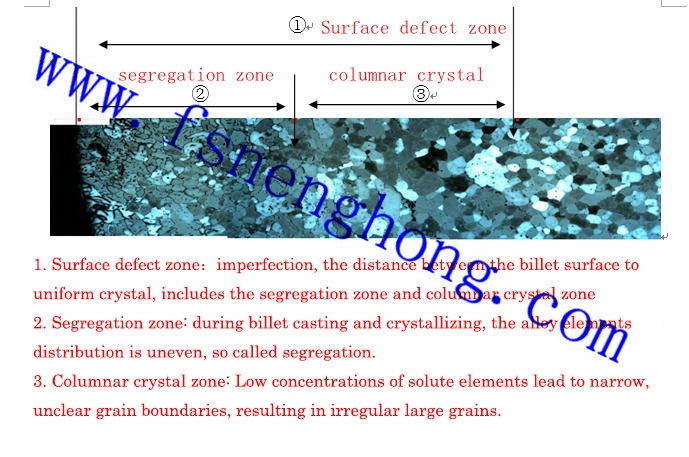 1. Balances mold wall cooling speed and eliminates rapid cooling segregationIn traditional casting processes, molten aluminum directly touches the graphite ring,causing local over-fast cooling on the billet surface. Alloy elements easily accumulate on the outer layer,forming a thick, uneven, hard segregation layer. The uniform air buffer film of oil-air slip slows down suddentemperature drops at the interface, synchronizes the solidification speed of the aluminum liquid surface,and avoids component segregation caused by unbalanced rapid cooling from the source.2. Air film isolation achieves soft contact and eliminates friction-induced segregation tumorsWithout oil-air slip, the friction, adhesion, and scratching between molten aluminum and the graphitering cause severe liquid level disturbance. Impurities and alloy particles float upward and gather on the surface,resulting in segregation tumors, peeling, and layered defects. The oil-air isolation film completely separates thealuminum liquid from the graphite ring, keeps the liquid surface stable without friction turbulence,and fundamentally suppresses the generation of segregation tumors and surface peeling.3. Stabilizes flow field and temperature field to restrain alloy element enrichmentUnstable liquid flow and drastic temperature fluctuations in conventional casting cause low-melting-pointalloy elements and trace impurities to continuously float toward the billet surface, worsening surface segregation.The steady oil-air flow stabilizes the temperature distribution inside the mold and balances the molten aluminumflow field, preventing element enrichment and ensuring uniform internal chemical composition and finer metallographic structure of the aluminum billet.4. Greatly thins the segregation layer, reduces peeling workload, and improves downstream extrusion qualityAfter applying oil-air slip, the original thick, irregular segregation layer is optimized into an ultra-thin, uniform surface layer.The billet no longer requires deep surface peeling, effectively saving raw materials and increasing production yield. Meanwhile,it completely avoids cracking, surface peeling, black lines, and color difference problems during subsequent extrusionand anodizing processes, significantly improving the final qualified rate of high-end aluminum profiles.SummaryOil-air slip casting technology optimizes the entire casting interface environment, effectively controls segregation defects,protects key mold accessories, and stabilizes billet quality. It is an indispensable cost-effective upgrade for high-quality, high-yield,and low-consumption aluminum billet production enterprises.Air slip casting system from China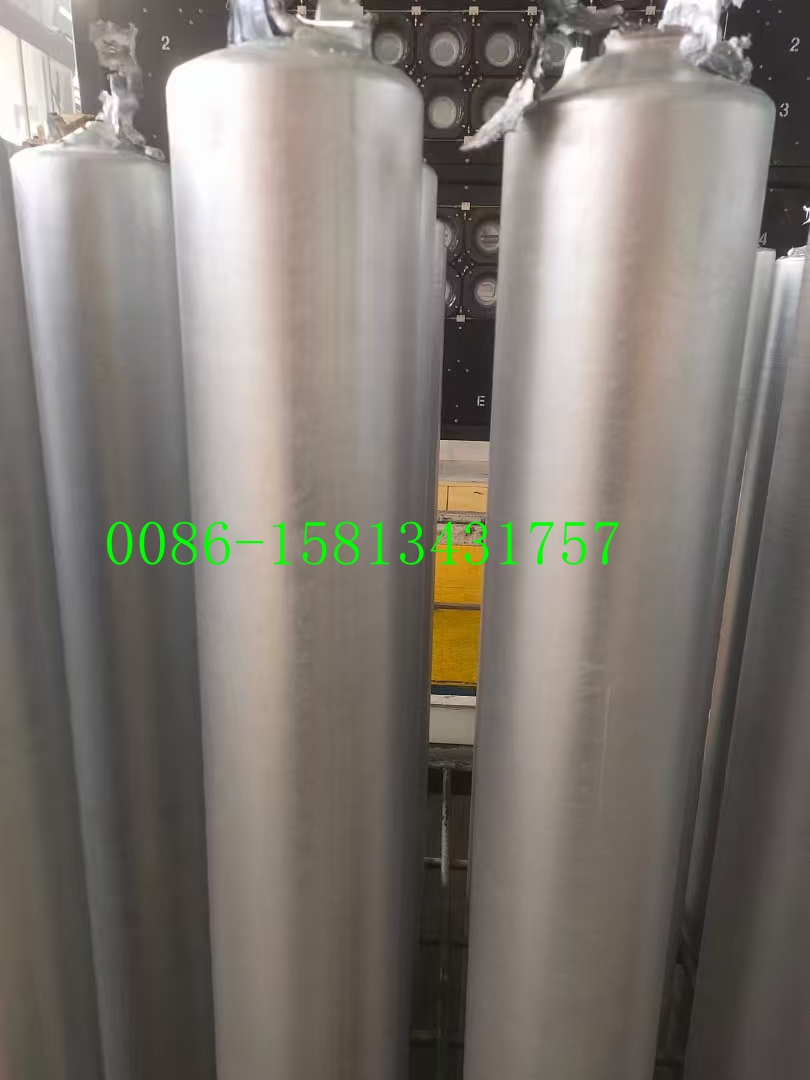
- Previous [Return Home] [Print] [Go Back] Next
News And Knowledge
Products Search
 : 575645529


